


La Avila SL28, El Salvador
- Red Grape
- Nougat
- Toffee
- Process
- Fully Washed
- Variety
- SL28

EthiopiaProduced by Michael Omran
Limu | 1,930–2,200 MASL
Tasting notes
Jasmine Bergamot TeaWhite ChocolateBlueberry - Lemon Pie
Process NaturalVarietal Heirloom
Help me calculate
I drink __ cups of coffee per day.
If Anderacha sells out, we send a single origin with similar flavor.
Couldn't load pickup availability
The story
Named after the Arabic phrase for "Our Fathers," Abana honors centuries of coffee heritage while building a modern, sustainable future. Founded in 2009 by humanitarian Peter Omran and now run by his sons, Michael and Chris, this estate seamlessly blends specialty coffee craftsmanship with profound community care. Every purchase directly funds local medical initiatives, clean water infrastructure, and schooling for the surrounding farming community.
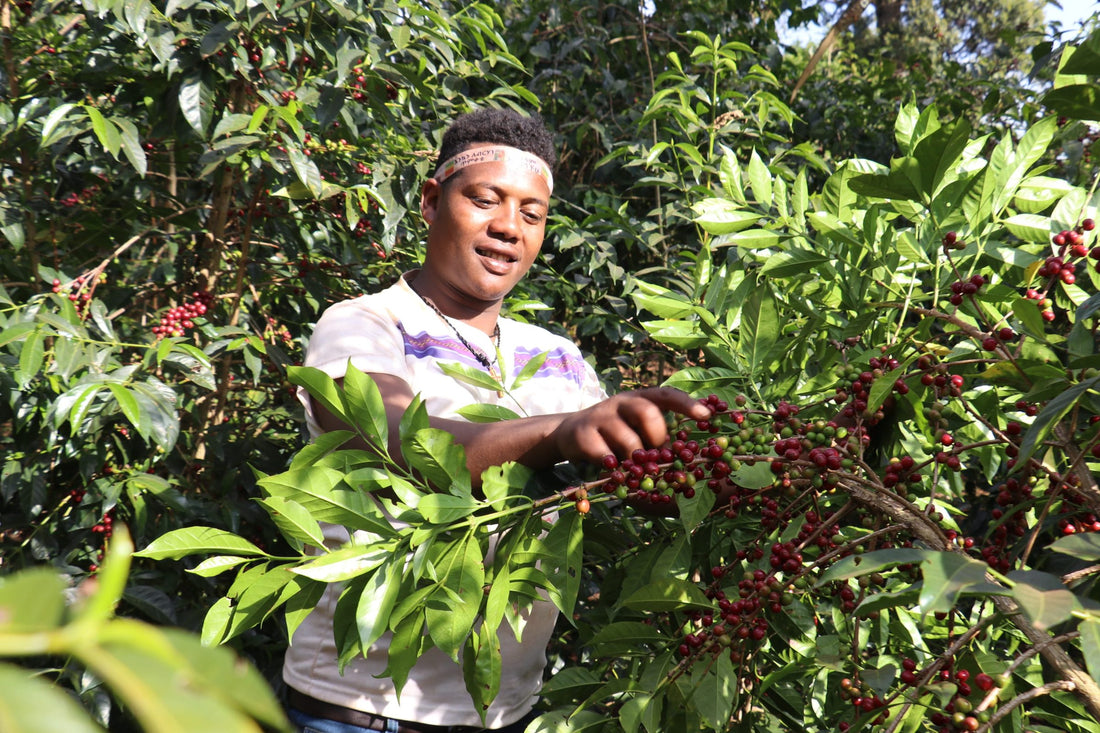
Deep within the misty, high-altitude rainforests of Gera, Ethiopia, sits Abana Estate—a 300-hectare sanctuary dedicated to preserving the ancestral roots of wild Arabica coffee.
Grown under an ancient, old-growth forest canopy at a breathtaking 1,930 to 2,200 meters above sea level, these heirloom varieties mature slowly. This extended ripening period allows the cherries to develop dense, highly concentrated sugars. Nourished by the nearby Anderacha River and meticulously sorted by hand, this lot represents the absolute pinnacle of Limu-area specialty coffee.
The name of this micro-lot, Anderacha, comes from the river that borders Abana Estate. The river gets very large during the rainy season and is a source of life and nutrients for the local community and ecosystem.
The coffee cherries are picked and sorted by hand. Then cherries are brought to a raised bed and covered, allowing them to continue to ripen for 48 hours. They are then floated and brought directly to the raised drying beds. The drying coffee cherries are agitated multiple times a day to promote even drying and hand sorted throughout the drying cycle. Samples are taken and hulled to check moisture content. Once moisture is optimal, the husk coffee is stored in large sacks for hulling locally. Then it is bagged and sent to Addis Ababa for sorting, grading, bagging, and export.
This lot from Abana Estate is a decadent showpiece of a natural Ethiopian coffee. Aromas of jasmine, violet, and bergamot carry into the cup, where they're met by flavors of blueberry lemon pie and white chocolate. A bright, citric acidity intertwines with a cocoa butter mouthfeel that makes this coffee drink like dessert in a cup.
Where it comes from
Coffee has long been Ethiopia’s most important export and remains woven into daily life: roughly half the harvest is consumed at home.
Roasting this week


